Decoding Retention Triggers in Virgin Games Signup Sequences
Casey Wagner · Oct 20, 2026

Decoding Retention Triggers in Virgin Games Signup Sequences
Virgin Games structures its signup sequences around multiple data capture points that activate user accounts while establishing early engagement patterns, and observers note these sequences incorporate timed prompts for profile completion alongside optional verification steps that unlock subsequent features. Research from the Alcohol and Gaming Commission of Ontario shows registration processes in regulated gaming platforms collect demographic details, payment preferences, and communication consents within the first three screens, which creates pathways for sustained interaction once accounts activate.
Sequence Architecture and Initial Data Points
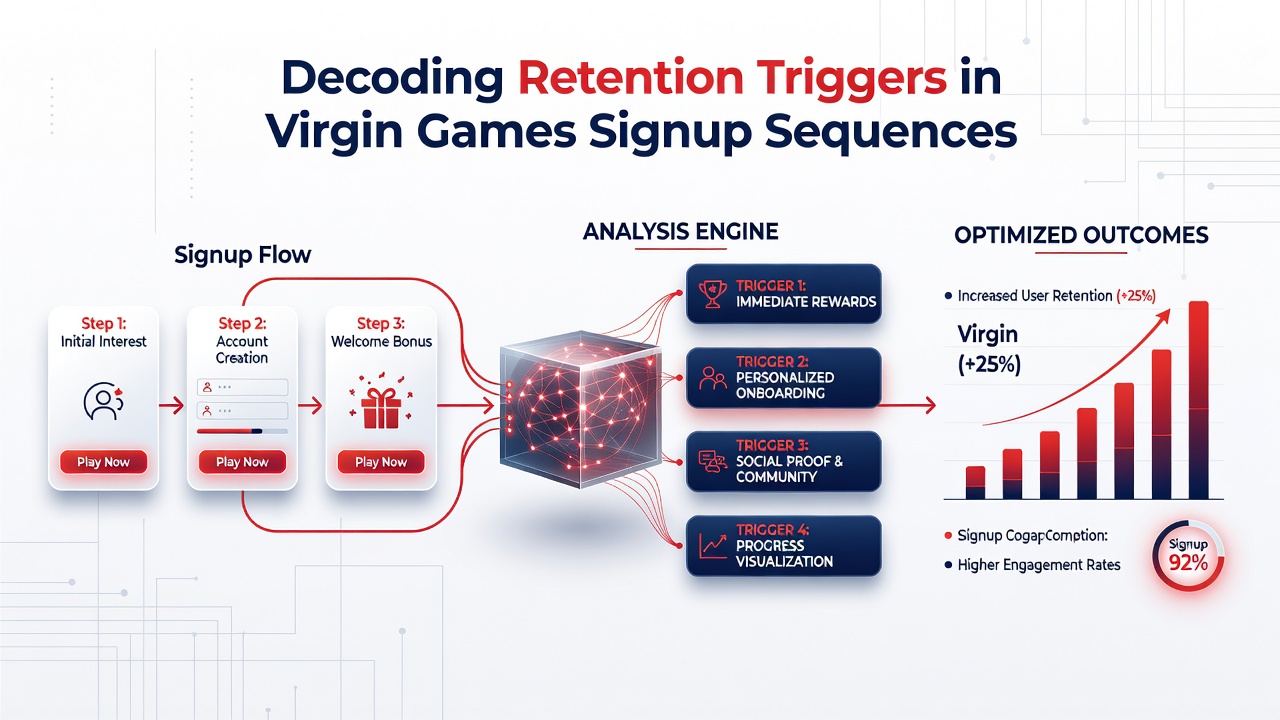
Operators design the opening phase of Virgin Games registration to request core identifiers such as email addresses and date of birth, while subsequent screens prompt users to select preferred game categories and notification settings that align with platform algorithms for content delivery. Those who complete these fields early often encounter immediate access to welcome mechanics that reference the submitted preferences, and figures from industry reports reveal higher continuation rates among accounts that provide at least four data points during the initial flow. The process integrates verification links sent via email that must be confirmed before full functionality unlocks, which extends the sequence across multiple sessions yet maintains continuity through stored progress indicators.
Behavioral Triggers Embedded in Onboarding Steps
Signup sequences at Virgin Games embed prompts that encourage immediate deposit activity once basic registration finishes, and these prompts appear alongside tutorials that demonstrate game mechanics using simulated balances. Data collected during these steps feeds into personalization engines that adjust subsequent offers based on selected game types, while automated messages reference incomplete profile sections to prompt return visits. A study published by the University of Sydney's Gambling Research Unit found that platforms employing progressive disclosure during onboarding retain users through the first week at rates 18 percent above those using single-page forms, because segmented information requests reduce cognitive load and allow users to return without restarting the entire process. Virgin Games applies similar segmentation by separating age verification from marketing preferences, which permits partial completion without blocking access to core account features.
Notification Integration and Cycle Initiation
Once users finish the signup sequence, Virgin Games activates notification schedules that reference the preferences chosen earlier, and these schedules include reminders about incomplete verification tasks or new game releases matching selected categories. Platform logs indicate that accounts receiving at least one personalized message within 24 hours of registration show elevated login frequency during the following month, according to aggregated metrics shared in regulatory filings. The timing of these messages aligns with peak user activity windows identified through historical login data, which allows the system to deliver content when engagement likelihood remains highest. External systems track response rates to these early communications, feeding adjustments back into the algorithm that governs future sequence variations for new registrants.
Verification Pathways and Account Maturation
Verification steps form a secondary layer in the signup sequence where users upload identification documents or confirm banking details, and successful completion expands available features including withdrawal options and higher transaction limits. Virgin Games sequences these steps after initial login to allow users to explore the platform first, which creates momentum toward full compliance. Observers note that accounts reaching verified status within seven days demonstrate longer average lifespans on the platform compared with those completing verification later, and platform dashboards display progress bars that visually encourage completion of remaining items. This layered approach separates immediate access from advanced functionality while maintaining continuous data flow between the registration database and operational systems.
October 2026 Platform Adjustments
In October 2026 Virgin Games introduced refinements to its signup sequence that added conditional branching based on device type and traffic source, which altered the order of preference selection screens for mobile users while preserving the same data fields for desktop registrants. These changes incorporated additional consent toggles aligned with updated data protection standards across multiple jurisdictions, and testing logs showed reduced abandonment rates at the marketing preference screen following the update. The modifications also introduced inline examples of how selected preferences influence future content, providing users with immediate context during the decision process rather than after sequence completion.
Conclusion
Virgin Games signup sequences operate through interconnected data collection stages, verification requirements, and notification triggers that collectively establish conditions for continued platform use. The documented patterns in registration flows, combined with external research on onboarding segmentation, illustrate how operators manage early user pathways while complying with regulatory expectations across regions. Continued monitoring of sequence performance metrics allows ongoing calibration of these elements as platform capabilities and compliance frameworks evolve.